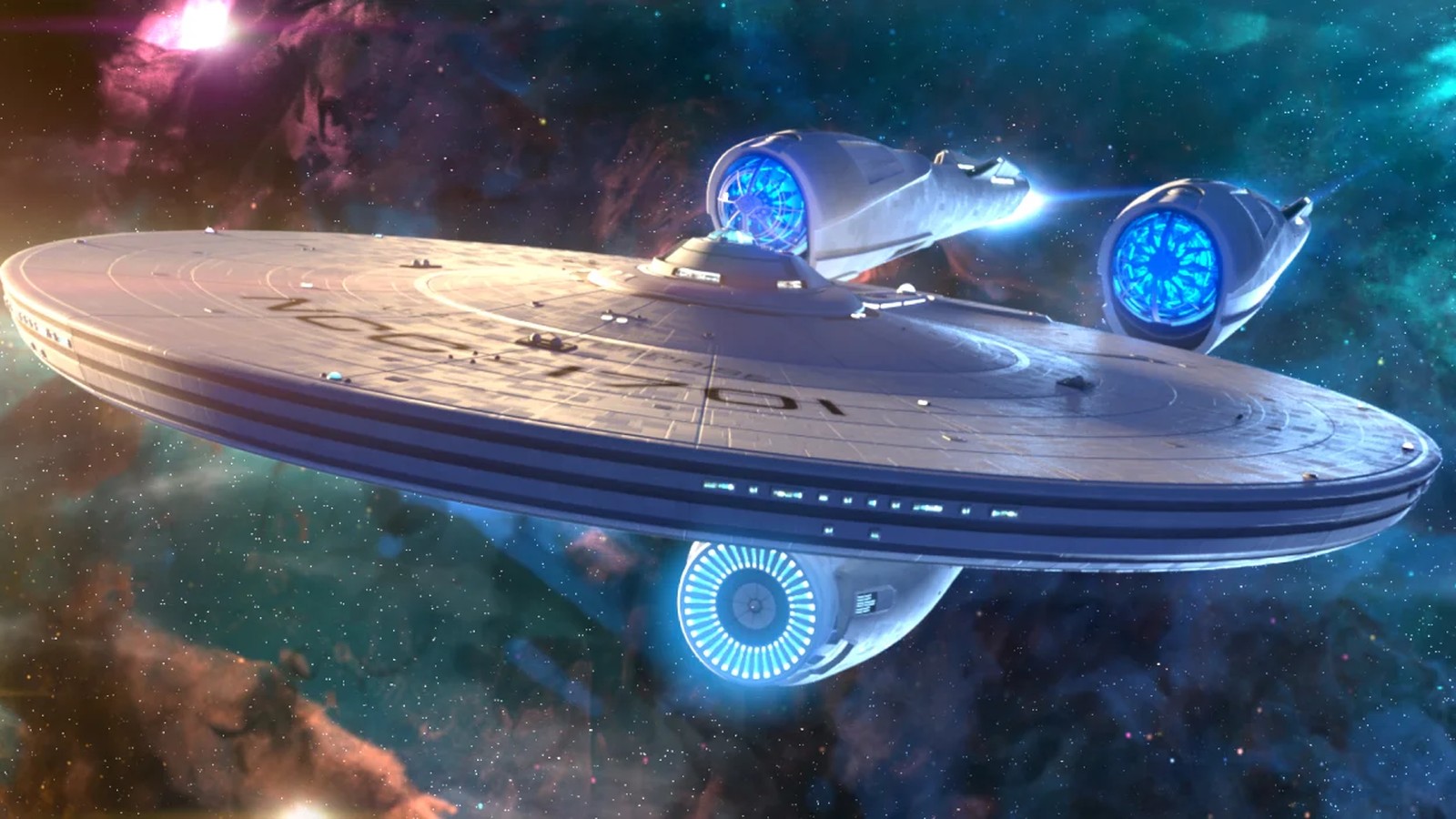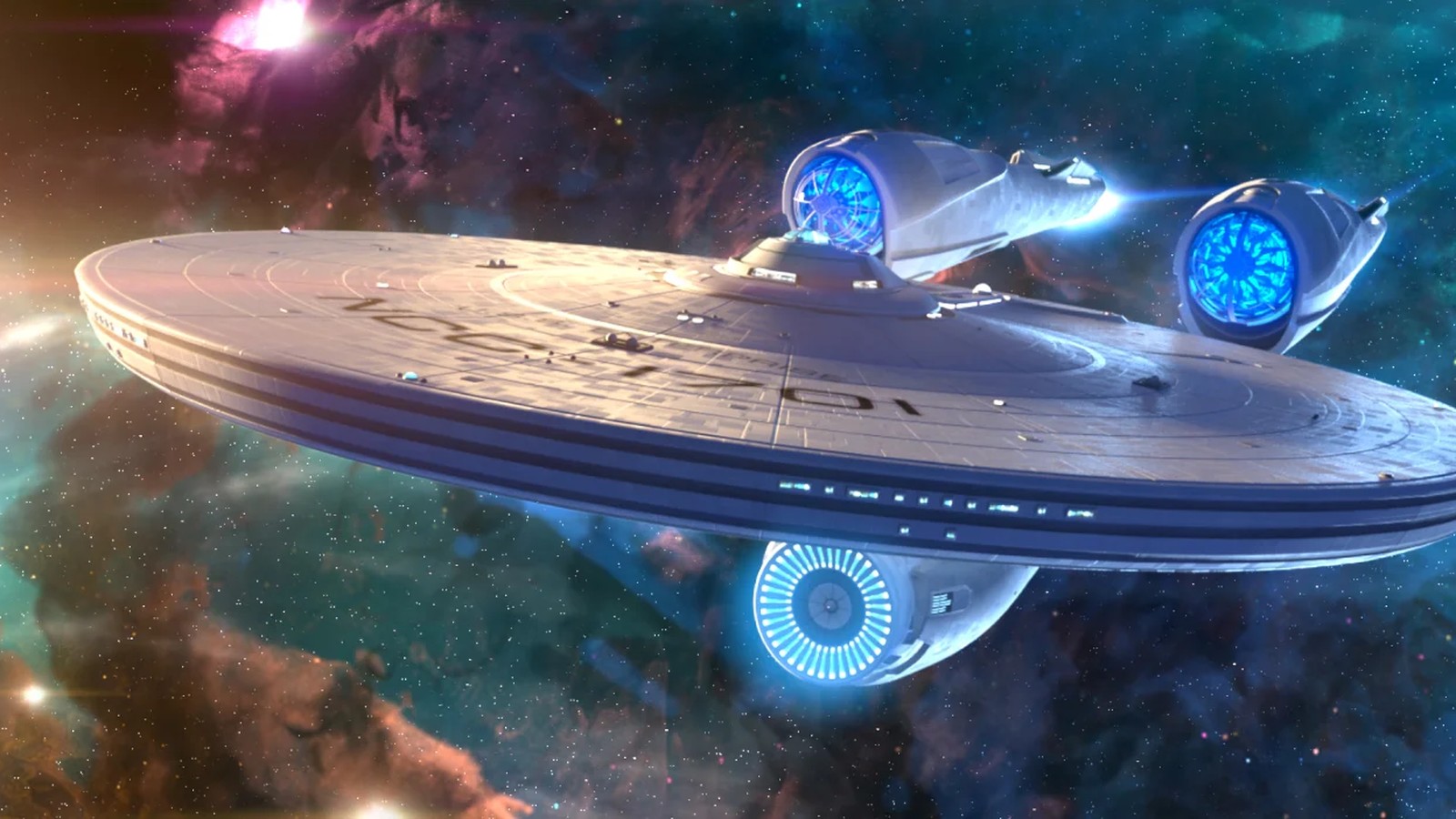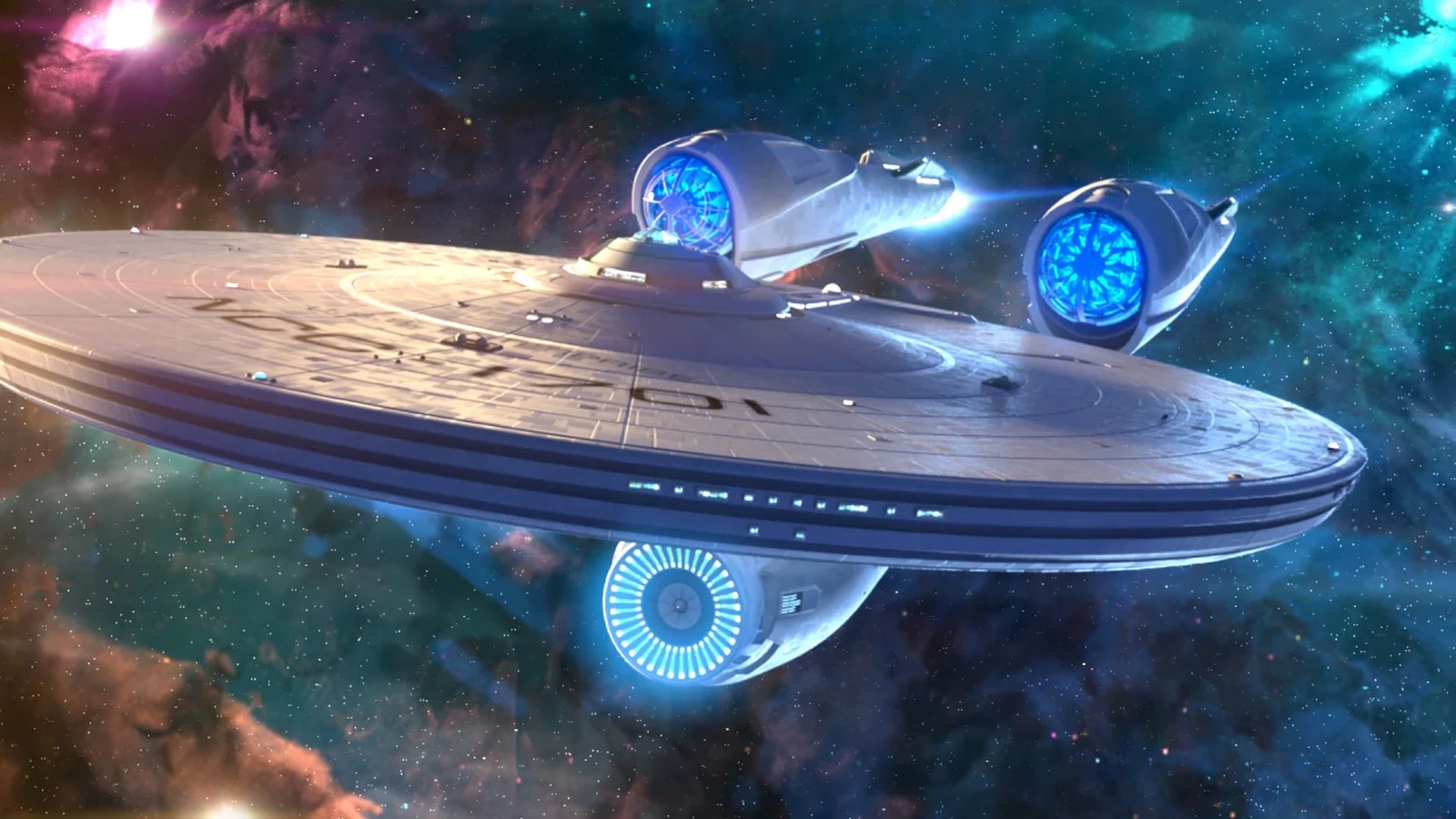


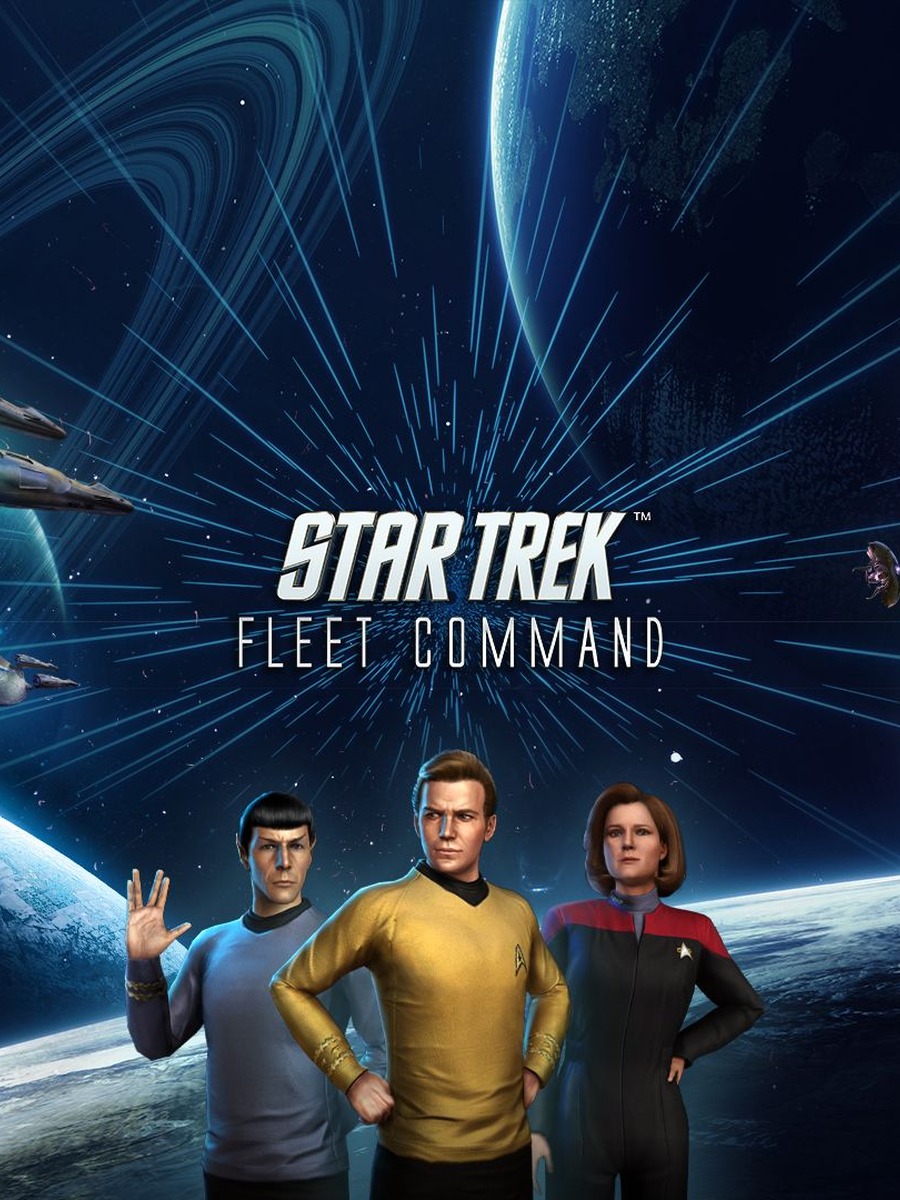
Star Trek Fleet Command launched from Scopely under license from CBS Studios and Paramount Pictures Corp, and it plays as a strategy and base-management game rather than an action title: you build and expand a starbase, recruit officers, and grow a fleet of ships spanning roughly 55 years of Star Trek history. Digit Game Studios built the original 2018 release, and Scopely has kept it in active development since, including a full 2026 content roadmap.
Some links in this article may be affiliate links. If you choose to try Star Trek Fleet Command through one of them, RigTactics may earn a commission at no additional cost to you. This does not affect our editorial judgment.
What's new in 2026
Scopely's own 2026 roadmap post frames the year around three pillars: stronger alliances, clearer progression, and bolder new frontiers. The most concrete additions so far: Galactic Anomalies, dynamic PvE events that add temporary system-wide buffs and debuffs to encourage different tactics; Planetary Bases, player-owned surface colonies with their own building slots, permanent buffs, and resource collection; and Starfleet Academy Content, story missions tied to a newer Star Trek series timed to the franchise's 60th anniversary. Also planned: Open Armadas in a region called The Veil for cross-alliance cooperative PvE, a reworked Alliance Tournaments format, and an early-stage new ship class called Dreadnoughts built around system-level influence rather than replacing normal fleet combat. The long-requested G5 Scrapping feature is still described as in development.
The most recent patch, Update 92 ("Infinite Diversity in Infinite Combinations"), gives a sense of the current pace: three new Epic Officers (Female Spock, Ambassador Spock, and Cat Spock, each tuned around Origin Sector combat), a Territory system refresh with a new T4 zone, a new Continuum Consulate building for refinery unlocks and mining-rate boosts, and close to 94 new research nodes. Territory Battle Passes also moved from a quarterly to a monthly cadence.
What PC players should know
On PC, Star Trek Fleet Command runs through Scopely's own standalone launcher for Windows and Mac, not Steam. A single Scopely account syncs progress across PC, iOS, and Android, so moving between desktop and phone doesn't cost you any progress.
Scopely's own support documentation lists minimum PC specs as Windows 10 64-bit, an Intel i3 4130 (3.4GHz), 8GB of RAM, and Intel Graphics 4400 — a low bar reflecting the game's mobile-first roots. Scopely's own notice is worth repeating: meeting these specs is not a guarantee of smooth performance, and the company recommends contacting support directly if problems persist.
Choosing a faction and how progression works
Players choose one of three factions early on — Federation, Romulan, or Klingon — which shapes ship access and alliance play rather than locking you into a single story path. Progression leans heavily on base upgrades, officer recruitment, and PvP/PvE fleet battles carried out through alliances.
The honest trade-offs
Star Trek Fleet Command is a free-to-play live-service game, and in-app purchases (officially $4.99 to $99.99 per purchase) are woven into how fast you progress. Across current player reviews, the same handful of complaints come up repeatedly, so it's worth stating them plainly rather than glossing over them: progression can feel gated without spending past the early levels; the open-world PvP lets stronger players repeatedly attack weaker ones, and some players report double-digit attacks in a matter of days with real resource losses; long mining and construction timers (sometimes 30+ hours) can be wiped out by a single attack; and both technical stability (freezes, disconnects) and moderation in alliance/global chat draw regular criticism.
None of that erases the game's strengths — the license is handled with real care, the base-building and fleet strategy loop is deep, and Scopely has kept shipping substantial content updates rather than letting the game go stale. But going in expecting a purely casual, low-pressure experience would be a mismatch; this is a competitive, spending-adjacent live-service strategy game first.
Who is Star Trek Fleet Command best suited for?
Fans of the Star Trek setting who also enjoy strategy and management games — base-building, fleet composition, alliance politics — are the clearest audience, especially players comfortable with a live-service game's usual monetization and PvP dynamics. Players looking for a fast-paced action RPG, a purely solo experience, or a game with no spending pressure at all will likely find this a worse fit; the pacing is built around alliances, incremental growth, and, at the competitive end, real money.
Minimum PC Specs (Official)
| Component | Minimum |
|---|---|
| OS | Windows 10 64-bit |
| CPU | Intel i3 4130 (3.4GHz) |
| RAM | 8 GB |
| GPU | Intel Graphics 4400 |
Scopely does not publish a separate recommended tier as of this writing; treat the minimum spec as a starting point, not a promise of smooth performance.
FAQ
Is Star Trek Fleet Command on Steam?
No. On PC it installs through Scopely's own standalone launcher for Windows and Mac, not Steam.
Does progress carry over between PC and mobile?
Yes. Signing in with the same Scopely account syncs progress across PC, iOS, and Android.
Which faction should I pick first?
Federation, Romulan, and Klingon mainly shape ship access and alliance affiliation rather than locking you into a fixed story, so there is no strictly wrong first choice.
Is Star Trek Fleet Command pay to win?
It's free to play and progressable without spending, but player reviews consistently describe a real competitive gap for non-spenders, especially in PvP and late-game Territory content. Go in expecting a live-service strategy game with real monetization pressure, not a purely casual one.
PLAY NOW
Ready to Command Your Own Fleet?
Pick a faction, build your starbase, and see Star Trek Fleet Command's 2026 roadmap for yourself.